Elevate Your Business With Innovative Commercial Architecture Services
Innovative commercial architecture plays a vital role in shaping business success. By seamlessly integrating functionality with aesthetics, it enhances both productivity and brand identity. Eco-conscious design approaches not only reduce operational expenses but also foster healthier work environments. As businesses evolve, so do their spatial needs. Understanding how architecture influences these dynamics can reveal new potential for growth and collaboration. The perspectives outlined below will examine these concepts in greater depth.
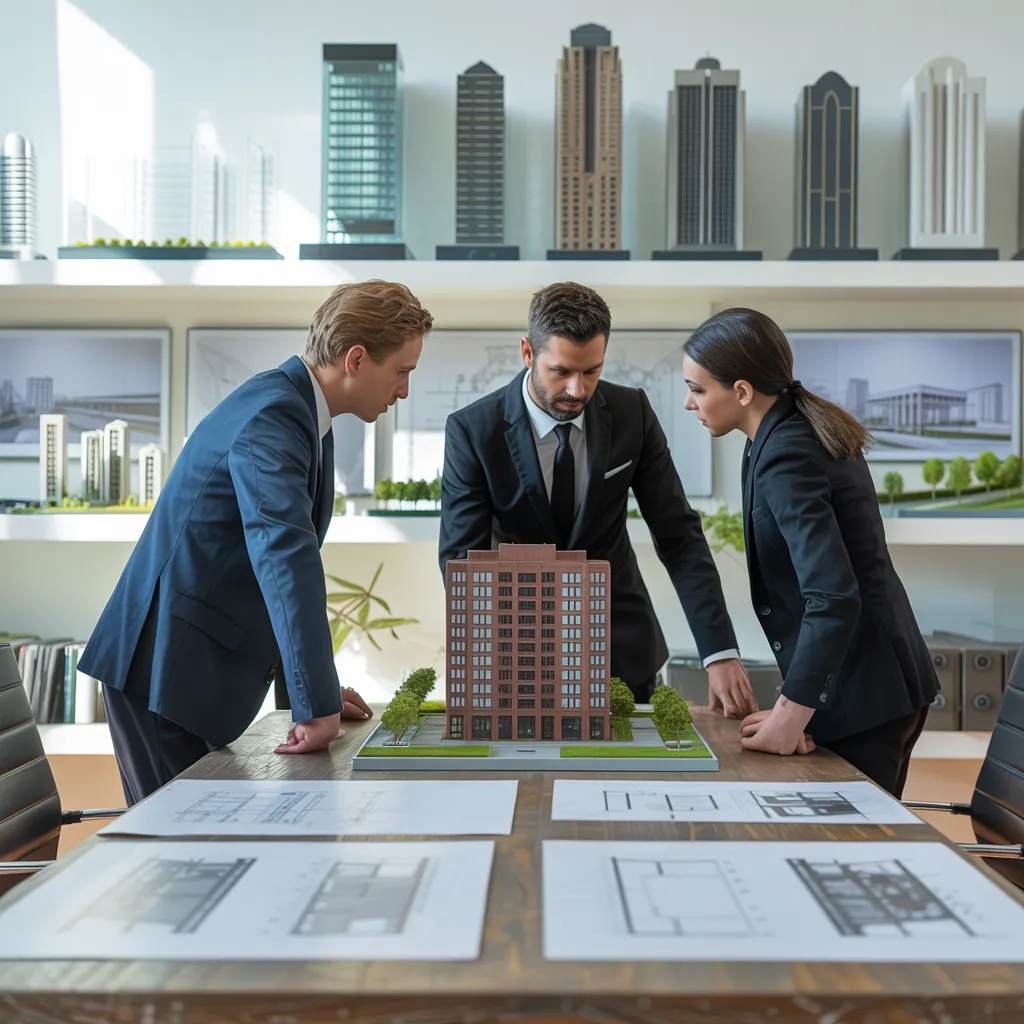
The Importance of Innovative Commercial Architecture for Your Business
Innovative business-focused architecture reshapes the way organizations interact with and function within their environments. This design strategy emphasizes not just design beauty but practical utility, creating spaces that enhance productivity and collaboration. By adopting eco-friendly methods and cutting-edge technologies, enterprises can reduce operational costs while appealing to green-oriented clientele.
Additionally, innovative architectural solutions build powerful brand presences that attract customers and enhance workforce morale. The configuration of a working space can greatly affect productivity and innovation, making cutting-edge architecture essential for maintaining a competitive edge in today's business landscape.
As companies grow and change, the demand for flexible spaces grows increasingly important. Innovative commercial architecture allows for flexibility in design, accommodating future growth and changes in operational needs. Fundamentally, it provides a strategic advantage by aligning physical spaces with overall business objectives, ultimately driving success and fostering a strong connection between the business and its community.
Key Features of High-Impact Commercial Architecture
High-impact commercial architecture is defined by several essential features that enhance both functionality and aesthetic appeal. Fundamental aspects include efficient space planning that optimizes usability, sustainable design practices that minimize environmental impact, and striking visual elements that appeal to and engage clients. Combined, these elements establish a vibrant environment that advances business goals and encourages a positive user experience.
Functional Space Planning
Effective functional space planning transforms commercial architecture into a strategic asset for businesses. Through the prioritization of efficient layouts, it streamlines workflows and boosts productivity. This process involves analyzing the specific needs of a business and allocating space accordingly, ensuring that areas for collaboration, focus, and storage are thoughtfully designed. Impactful commercial architecture integrates adaptable spaces that respond to shifting needs, enabling businesses to grow without expensive renovations. Furthermore, seamless navigation and accessibility serve as essential elements, cultivating a welcoming environment for both employees and clients. At its core, purposeful space planning not only enhances the utilization of square footage but also cultivates a dynamic atmosphere that resonates with the brand's identity, driving overall business achievement and employee well-being.
Sustainable Design Practices
Adopting green design strategies is critical for today's commercial architecture, as it emphasizes environmental stewardship while improving the aesthetic and functional qualities of a space. These practices often include utilizing environmentally friendly materials, optimizing energy efficiency, and integrating renewable energy sources. Moreover, sustainable designs promote water efficiency and improved air quality through cutting-edge ventilation technologies and living roof systems. Implementing these strategies not only lowers a structure's environmental impact but also lowers operational costs over time. Beyond that, green building design cultivates a more beneficial setting for building users, leading to increased productivity and well-being. As companies acknowledge the significance of sustainable business practices, adopting sustainable design principles becomes a crucial aspect of high-impact commercial architecture, harmonizing business interests with sustainable practices.
Visually Appealing Aesthetics
A focus on environmentally conscious design methods commonly produces an enhanced recognition of visual attractiveness in professional architectural design. This combination develops areas that not only fulfill functional requirements but also resonate with their surroundings. Components like daylight, natural materials, and landscaped areas contribute to a building's overall beauty, amplifying its visual significance. A beautifully designed structure draws customers and fosters a positive environment for employees. Architectural features like original building discover now faces, inventive designs, and balanced color arrangements can significantly enhance a company's image. In the end, embedding aesthetic qualities within green building designs not only demonstrates a dedication to ecological stewardship but also ensures that the building distinguishes itself in a competitive marketplace, consequently enhancing the organization's identity and core values.
Finding the Ideal Commercial Architecture Partner for Your Project
What is the best way to find the most suitable commercial architectural firm for their project? It begins by defining clear project objectives and requirements. A detailed review of candidate partners should include analyzing their past work, focusing on their industry experience and creative approach. Customer testimonials and professional references can provide insight into reliability and collaboration quality.
Subsequently, evaluating the company's knowledge of applicable regulations and eco-friendly methods is vital. Communication and project management skills also hold considerable importance; a collaborator should show the capacity to clearly articulate ideas and ensure timely progress updates.
Budget compatibility is another critical factor, as transparency in pricing can prevent future conflicts. Participating in preliminary meetings provides insight into compatibility and reveals the firm's problem-solving methodology. At its core, identifying the right commercial architecture partner demands a thorough review of professional expertise, collaborative chemistry, and shared vision for the project.
Successful Design Case Studies in Commercial Architecture
Another compelling case study showcases a retail store that employed biophilic design strategies, incorporating greenery and natural light. This method enriched the customer experience while increasing foot traffic, leading to higher sales.
Furthermore, a tech company's headquarters featured a collaborative open floor plan that encouraged engagement between team members, considerably elevating employee satisfaction and overall productivity. Such examples illustrate how thoughtful design can uplift organizations, enhance functionality, and craft welcoming spaces that appeal to employees and visitors, thus accelerating growth and achievement in the professional marketplace.
Why Your Brand Should Embrace Sustainable Design?
As many brands strive to differentiate themselves in a crowded marketplace, integrating sustainable design can greatly enhance their identity and appeal. Companies that prioritize eco-friendly practices often attract environmentally conscious consumers, building lasting loyalty and deepening consumer trust. Green design practices not only showcase a brand's pledge to ethical and social values but also establishes it as an innovative and visionary force within its sector.
In addition, green architectural practices frequently results in financial benefits as a result of reduced energy consumption and reduced operational expenses. This practical benefit aligns with the enhanced brand image, as the public increasingly supports companies that demonstrate a genuine commitment to environmental responsibility.
With regulations surrounding ecological footprint become stricter, companies embracing environmentally conscious design methods can stay ahead of compliance requirements. At its core, embracing sustainability in architecture functions as a forward-thinking investment, solidifying brand identity while resonating with a wider demographic, thereby fostering long-term success and relevance across an ever-shifting competitive environment.
How Purposeful Architecture Elevates Employee Productivity
A thoughtfully crafted workspace plays a significant role in improving employee productivity. Thoughtful architecture takes into account factors such as daylighting, space organization, and sound management, which significantly impact workplace efficiency. Spaces that prioritize open layouts foster collaboration, while designated quiet areas enable focused work, achieving harmony between teamwork and individual tasks.
Incorporating nature-inspired features, such as plants and outdoor views, can lower stress levels and boost creativity, further boosting workplace productivity. Ergonomically designed furniture also contributes to worker comfort, decreasing tiredness and supporting longer periods of focused work.
Moreover, adaptable workspaces designed for multiple functions foster engagement and innovation. By recognizing and applying these architectural concepts, businesses can create environments that not only enhance productivity but also support employee well-being. At its core, dedicating resources to purposeful architectural planning is a forward-thinking strategy that links workforce satisfaction with company-wide success.
Future Trends in Commercial Architecture to Watch
What significant shifts are defining the future of commercial architecture? One significant trend is the increasing focus on sustainability. Architects are integrating eco-friendly materials and energy-efficient designs to reduce carbon footprints and promote environmental stewardship. Additionally, biophilic design is gaining traction, emphasizing natural elements to enhance well-being and productivity within workspaces.
A further significant trend is the rise of flexible and adaptive spaces. As organizations adapt and develop, the need for multifunctional environments that can be readily transformed is becoming paramount. This adaptability facilitates multiple working approaches and cooperative endeavors.
In addition, technological advancements, such as virtual reality and smart building systems, are reshaping the design and construction industry. These technological developments empower architects to craft more efficient, responsive, and user-centric spaces.
Commonly Asked Questions
What Are the Costs Associated With Innovative Commercial Architecture Services?
The expenses related to advanced commercial architecture solutions commonly consist of project management, design fees, materials, labor, and permits. These expenses can vary based on location, project complexity, and individual client needs, impacting the total budget framework.
What Is the Typical Duration of a Commercial Architecture Project?
A typical commercial architectural project typically takes anywhere from six months to two years to finish, based on factors such as the complexity, scale, client demands, and regulatory requirements, which can greatly influence the timeline.
What Impact Does Technology Have on Modern Commercial Architecture?
Technology considerably enhances present-day commercial architectural practice by simplifying and optimizing design workflows, improving collaboration through Building Information Modeling (BIM), supporting detailed and exact simulations, and advancing eco-friendly construction approaches. These innovations progressively deliver more efficient, innovative, and cost-effective architectural solutions.
Can Commercial Architecture Keep Up With Changing Business Needs Over Time?
Yes, commercial building design can adapt to changing business needs over time. By incorporating flexible designs, scalable building components, and advanced technological incorporation, structures can be adjusted to accommodate changing operational needs, guaranteeing long-term functionality and practicality in a rapidly changing commercial landscape.
What Are the Advantages of Including Employees in the Design Process?
Involving team members in the planning process fosters cooperative efforts, increases engagement, and encourages innovation. Their insights can lead to workable outcomes, fostering a sense of accountability and boosting overall productivity within the work environment.